Treatment
Medical and surgical options for treating heart conditions and managing recovery. Topics include bypass surgery, angioplasty, pacemakers, rehabilitation programmes and common heart medications.
Anti-Platelets Medications
Anti-platelet medications help prevent blood clots and reduce your risk of heart attack or stroke if you have heart disease or previous clotting events.
Atherectomy and Unblocking Blood Vessels
How atherectomy procedures remove arterial plaque buildup to restore blood flow and prevent heart attacks or stroke.
Coronary Angioplasty Surgery
Coronary angioplasty uses a catheter and stent to widen narrowed heart arteries and restore blood flow in patients with fatty plaque buildup.
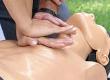
Emergency First Aid for Heart Attacks
Know the warning signs of a heart attack and what first aid steps can save a life while waiting for emergency services.

Explaining Cardiac Enzymes
Cardiac enzymes are proteins that leak into your blood when heart tissue is damaged, and doctors use blood tests to detect them.
Fibrinogen Treatment Before Heart Surgery
Giving fibrinogen before heart surgery may prevent dangerous bleeding complications that occur after the procedure.
Having a Coronary Artery Bypass
A coronary artery bypass graft reroutes blood around blocked arteries to restore blood flow to your heart and prevent heart attacks.

Heart Transplants Explained
A heart transplant replaces a failing heart with a donor organ from a deceased or brain-dead person to extend and improve the patient's life.
Heart Valve Replacement Surgery
Heart valve replacement surgery fixes damaged or worn valves to restore proper blood flow and relieve symptoms like breathlessness and chest pain.
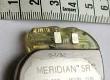
How Pacemakers Work
Pacemakers are battery-powered devices implanted to help your heart maintain a normal rhythm when its natural electrical system fails.
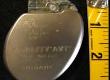
Implantable Cardioverter Defibrillators (ICD)
An ICD is a matchbox-sized device implanted near your collarbone that detects dangerous heart rhythms and sends electrical pulses to prevent cardiac arrest.
Laser Surgery for Coronary Artery Disease
Laser surgery offers a less invasive option for coronary artery disease when balloon angioplasty and bypass surgery aren't suitable.

Long Acting Nitrates
Long acting nitrates are preventative medications that help reduce angina attacks by relaxing blood vessels and improving blood flow.
Recovering from Heart Surgery
What to expect in the days after heart surgery, from pain management to mobility and wound care.
Taking Calcium-Channel Blockers
Calcium channel blockers relax heart and blood vessel muscles to treat high blood pressure, angina, and circulatory conditions.
Thrombolysis Causes and Treatments
How thrombolysis works to break up blood clots and restore circulation after heart attacks and strokes.
Using Beta-blockers
Beta-blockers are heart and circulation medications prescribed for high blood pressure, irregular heartbeat, migraines, and other conditions by reducing.
What Are Aldosterone Antagonists?
Aldosterone antagonists are diuretic drugs that reduce fluid buildup and ease symptoms in people with heart failure.
What Are Statins?
Statins are drugs that lower cholesterol in your blood by slowing liver production, and work best when combined with diet and exercise changes.
What Happens at Cardiac Rehabilitation?
Cardiac rehabilitation is a structured program with personalised exercise sessions and professional support designed for people recovering from heart problems.
What Is Glyceryl Trinitrate (GTN)?
GTN is a nitrate-based medication that widens blood vessels to ease angina pain by allowing more oxygen to reach the heart.