Heart Conditions
Information about various heart conditions and what living with them involves. Articles explain symptoms, treatments and practical advice for different cardiovascular problems.
An Enlarged Heart
An enlarged heart is often harmless and more common than you'd think, especially in older people and athletes.

Aneurysm Causes and Treatments
An aneurysm is a bulge in a blood vessel that often goes unnoticed until it causes serious complications like blood clots or strokes.

Angina Symptoms and Treatment
Chest pain from angina happens when heart arteries narrow, reducing blood flow to the heart muscle.
Aortic Stenosis Treatments Available
When your aortic valve narrows, blood flow gets restricted and your heart has to work harder, causing chest pain and fatigue that need treatment.
Are You at Risk of Heart Disease?
Check your heart disease risk by looking at smoking, weight, alcohol use and other lifestyle factors that matter.
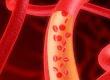
Atherosclerosis, Hardening of the Arteries
Plaque buildup in arteries hardens blood vessels and can cut off blood flow to organs, potentially causing serious damage or death.

Causes of Peripheral Artery Disease
Fatty deposits narrow leg arteries in peripheral artery disease, caused by smoking, poor diet, high cholesterol, and lack of exercise.
Congenital Heart Disease Explained
Congenital heart disease is a structural heart problem present from birth that ranges from minor defects to severe complications affecting blood flow.
Explaining Heart Disease
Heart disease covers many conditions affecting the heart and blood vessels, often influenced by lifestyle choices and a leading cause of death in adults.

Heart Attack Warning Signs Women Often Miss
Women often mistake heart attack symptoms for indigestion or fatigue, which is why they're more likely to miss critical warning signs.
Heart Condition Dextrocardia Explained
Most people with dextrocardia, a condition where the heart sits on the right side of the chest, live normal healthy lives without treatment.

Heart Disease and Your Mental Health
Why depression after a heart attack is common and why treating it matters just as much as treating your heart.
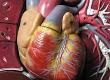
Heart Valve Disease
Heart valve disease happens when valves narrow or fail to close properly, disrupting blood flow and causing breathlessness, chest pain and fatigue.

Hole in the Heart
Septal defects, or holes in the heart, are more common than people realise and often cause no symptoms until later in life.
How Anorexia Affects the Heart
Anorexia starves the heart along with the body, causing dangerous changes to heart rhythm and increasing the risk of early death.

Living with Heart Failure: A Practical Guide
Heart failure means your heart isn't pumping efficiently, but many people manage it well with the right medications, fluid control, and lifestyle changes.

Mitral Valve Stenosis
Mitral stenosis happens when the heart valve thickens and stiffens, blocking blood flow and causing fatigue, shortness of breath, and heart palpitations.

Palpitations Explained
Learn why you feel your heart pounding or fluttering, from stress and adrenaline to serious heart conditions that need medical attention.

Pericarditis, Inflamation of the Pericardium
Pericarditis causes chest pain when tissue around your heart becomes inflamed, usually from viral infections or heart problems.

Preventing Cardiac Death in Young Athletes
Most young athlete deaths stem from undetected heart problems that show no warning signs until sudden cardiac arrest occurs during activity.

Rheumatic Heart Disease
Rheumatic heart disease damages heart valves after untreated strep throat, causing chest pain, shortness of breath and fluid buildup that needs treatment.

Stable and Unstable Angina: What's the Difference?
Stable angina happens predictably during exertion, while unstable angina strikes without warning and signals a medical emergency.

Suffering from Endocarditis
Endocarditis is a rare but serious heart inflammation usually caused by bacterial infection that can enter through everyday activities like teeth brushing.

Vitamin D and Heart Disease
Low vitamin D levels may double your risk of heart disease, research shows.

What Are Heart Murmurs?
A heart murmur is an extra sound your doctor hears during a heartbeat, which can be harmless or signal a heart problem that needs attention.

What Is Acute Coronary Syndrome (ACS)
Acute coronary syndrome covers heart attacks and unstable angina, where blocked coronary arteries stop blood flow to the heart muscle.

What Is Atrial Fibrillation?
Atrial fibrillation happens when your heart's upper chambers send faulty electrical signals, causing an irregular heartbeat that may or may not cause symptoms.

What Is Atrial Myxoma?
A heart tumour that starts in the upper chambers, often without early symptoms and more common in middle-aged women.

What Is Bundle Branch Block?
A heart condition where electrical signals get blocked on their way to the ventricles, often found by chance during routine heart tests.

What Is Cardiogenic Shock?
Cardiogenic shock happens when your heart can't pump blood effectively enough to deliver oxygen to your tissues, potentially causing organ damage and death.

What Is Heart Block?
Heart block happens when electrical signals between your heart's upper and lower chambers don't travel properly, ranging from mild delays to complete.
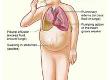
What Is Heart Failure?
Heart failure means your heart doesn't pump blood efficiently, but it keeps working and can be managed with treatment.
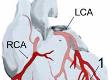
What Is Myocardial Infarction?
A heart attack happens when blocked coronary arteries cut off blood and oxygen to your heart muscle, which requires immediate emergency treatment.

What Is Pericarditis?
Pericarditis is inflammation of the heart's protective tissue that can cause chest pain and fluid buildup around the organ.

What Is Supraventricular Tachycardia?
Supraventricular tachycardia is a fast heart rate caused by irregular electrical signals above the heart's lower chambers.
What Is Ventricular Fibrillation?
Ventricular fibrillation is a life-threatening heart rhythm that requires emergency treatment within minutes to prevent death or brain damage.

Why Do Palpitations Occur?
Heart palpitations can range from harmless anxiety responses to serious medical conditions, so it's worth knowing what causes them.

Why Is High Blood Pressure Bad for the Heart?
High blood pressure makes your heart work much harder and damages organs over time, which is why it's so dangerous for your cardiovascular health.

Wolffe-Parkinson-White Syndrome
Wolff-Parkinson-White syndrome causes abnormally fast heartbeats due to an extra electrical pathway in the heart, ranging from symptomless to life-threatening.